Velo
iOS · Hackathon
My Role
iOS Developer
UI/UX Designer
Technologies
Timeline
Mar 2025
Description
An iOS app designed to make the FIFA World Cup 2026 fully inclusive, from blind fans to international visitors navigating stadiums.
Context
Velo transforms the FIFA World Cup 2026 into an inclusive event for everyone. From blind fans feeling the game through haptics to international visitors navigating stadiums in their own language, Velo bridges the gap between the world's biggest sporting event and the people who deserve to experience it fully. Every feature was fully functional and working at demo time.
The Problem
Imagine Estadio Azteca: 83,000 people screaming "GOOOL!" Of those, 14,000 would not be able to live that emotion the same way. That is because 1 in 6 Mexicans faces barriers every day to do things many of us take for granted: using public transit, entering a building, or simply enjoying a football match.
We are not talking about 14,000 people. We could fill Estadio Azteca 240 times over with people with disabilities in Mexico alone who cannot share that moment, not because they lack the passion, but because the environment was never designed for them.
The Opportunity
The FIFA World Cup 2026 will be the largest in history: 16 venues, 104 matches, more than 5 million attendees, and 3 host countries. But if nothing changes, it will also be the most exclusionary. We cannot call it a World Cup when 16% of the world cannot experience it.
Announcements you can only hear. Plays you can only see. Colors that cannot be distinguished. Overwhelming stimuli that exclude thousands of fans. We believe inclusion should never be optional, especially not in the sport that unites the world the most.
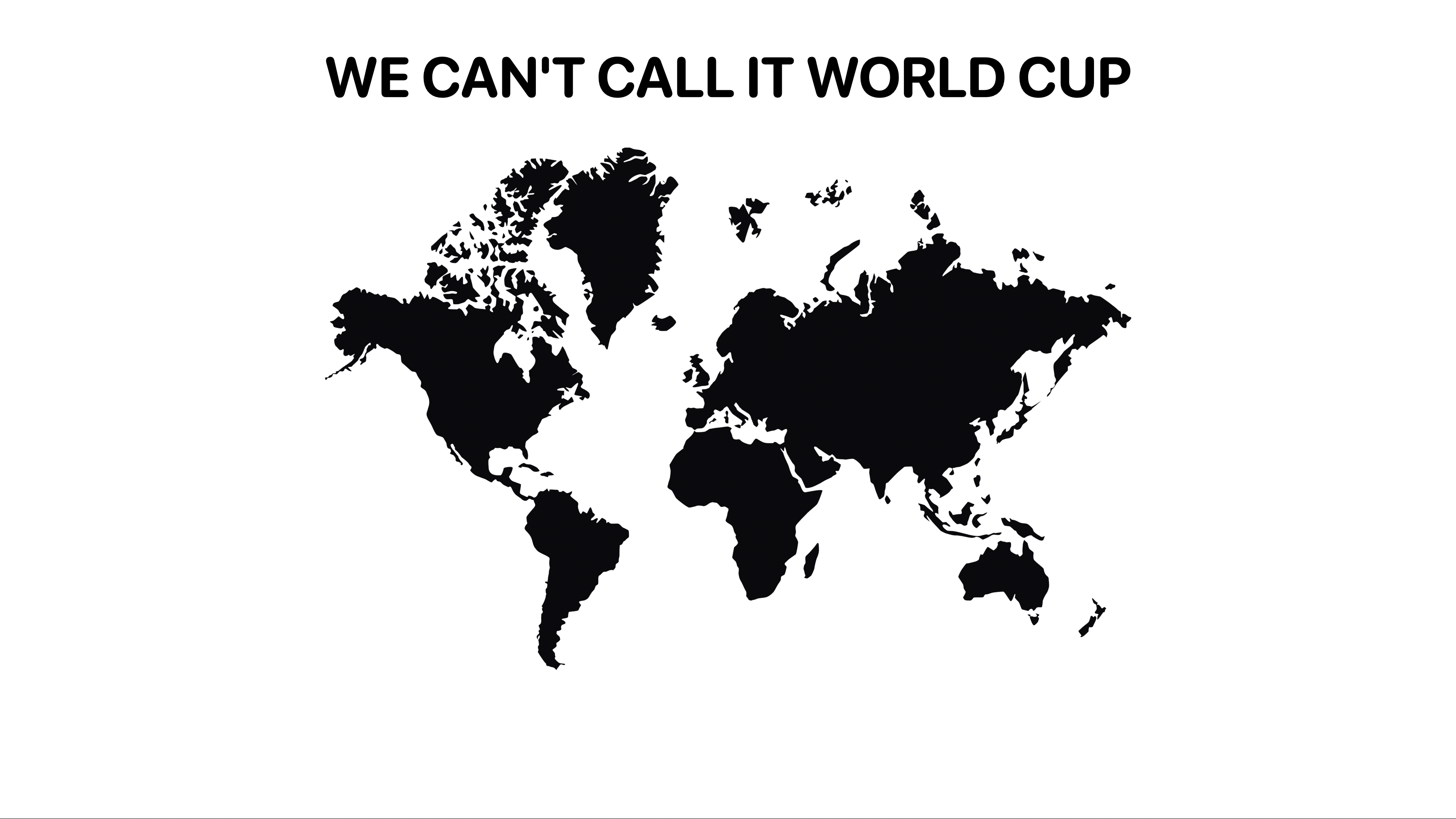
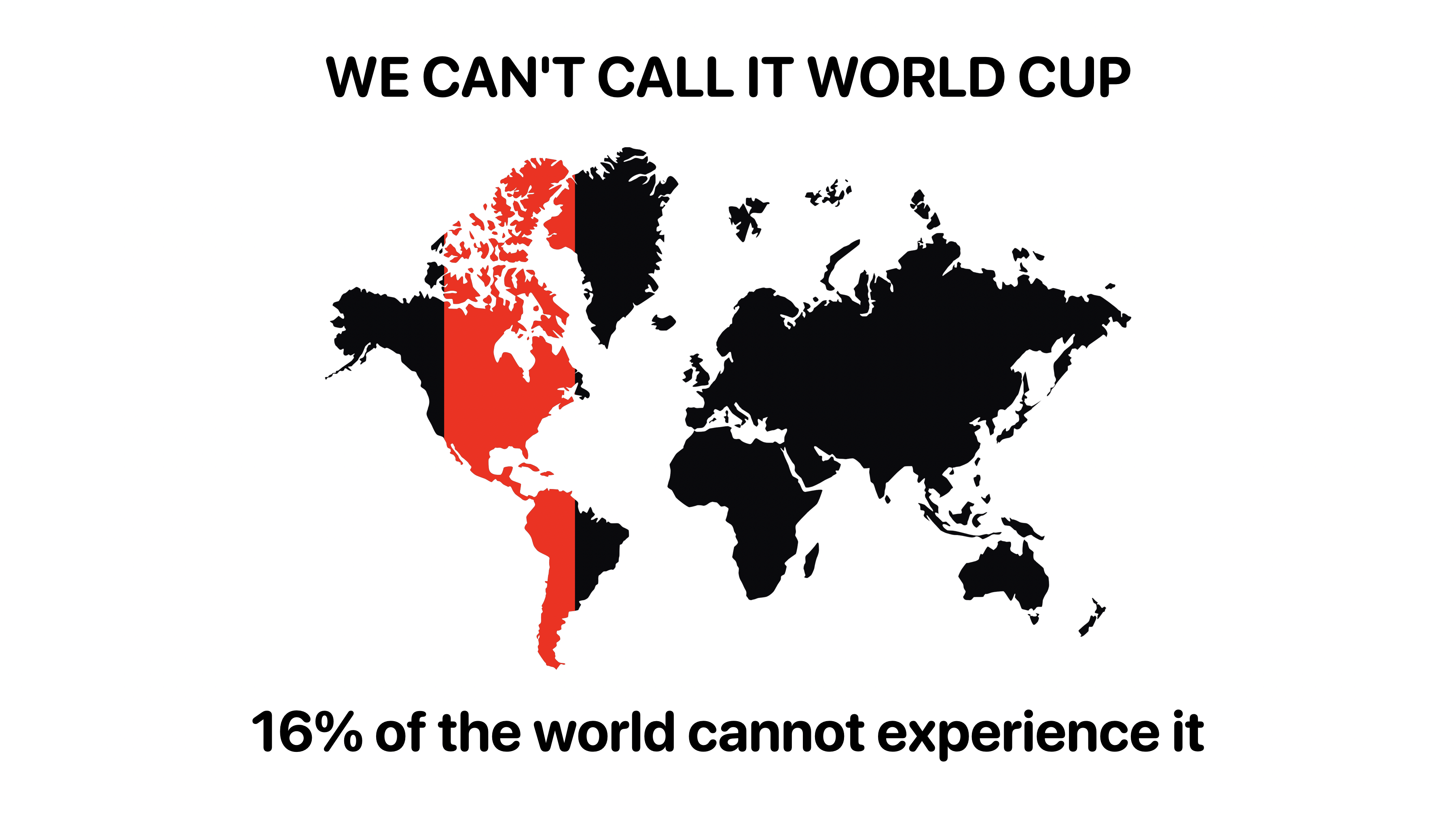
16% of the world cannot experience it. This is not a World Cup yet
About Velo
Velo is not just an app. It is a movement. Our mission is for every person, regardless of their abilities, to experience football with all their senses.
The name Velo is a tribute to Silvio Velo, the legendary Argentine footballer known as "El Maradona ciego," the Blind Maradona. Silvio lost his sight at 10 years old, but never lost his passion. He played 5 World Cups, won 2, and proved to the world that true vision is not in the eyes but in the heart.
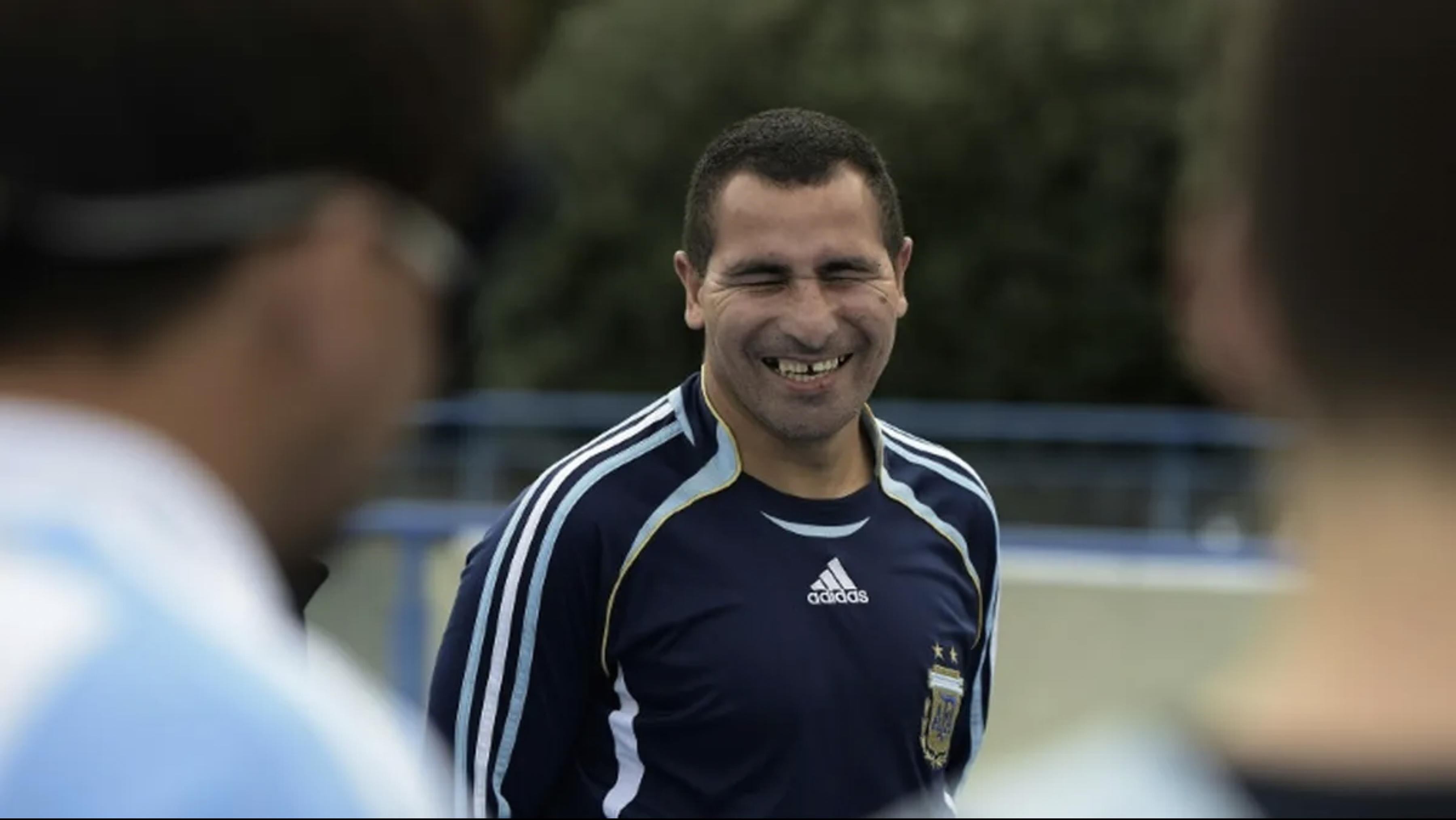
Silvio Velo, "El Maradona ciego", the inspiration behind the name
Research
The scale of the problem
According to the World Health Organization, 80% of people with disabilities live in developing countries, where inclusion tools are nearly nonexistent. In Mexico alone, that translates to 20 million people who love football but cannot experience it the way everyone else does.
- Most stadiums worldwide do not meet sensory or digital accessibility standards
- 40% of World Cup 2026 attendees will speak neither Spanish nor English
- Current accessibility solutions are reactive, not proactive: you must ask for help instead of receiving it
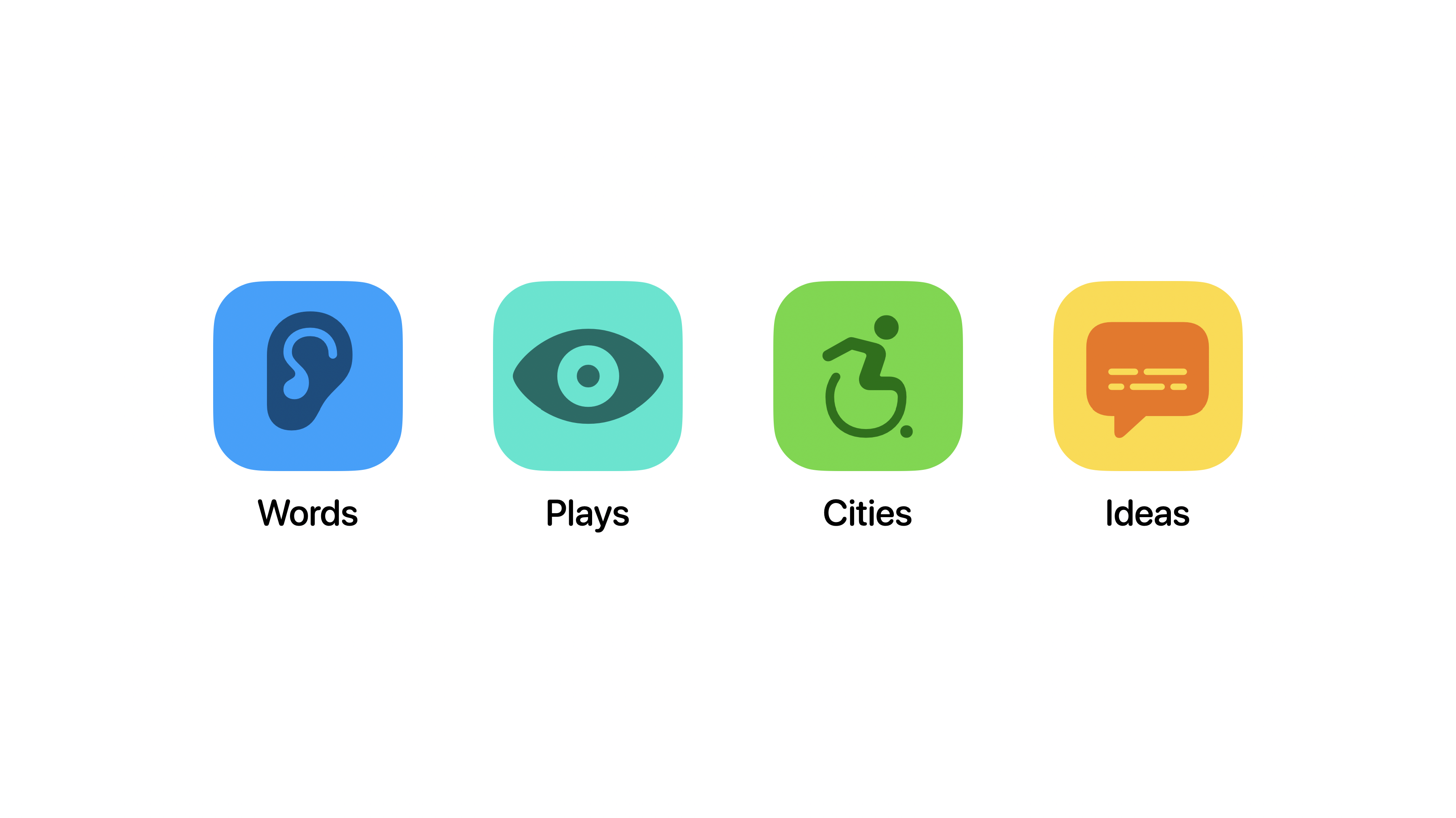
Words · Plays · Cities · Ideas: the four pillars of accessibility Velo addresses
Key Features
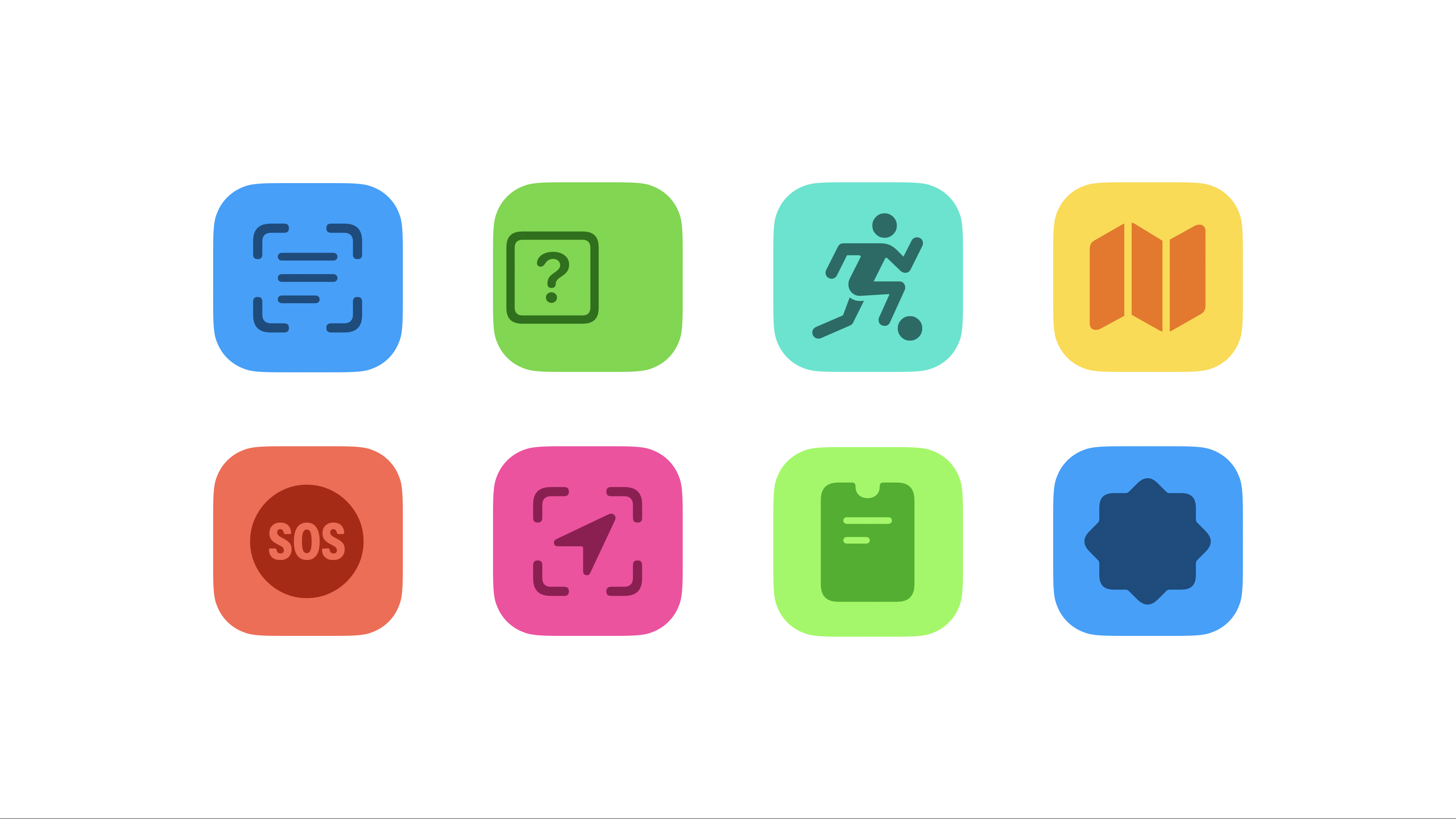
Eight fully functional features built to make football accessible for everyone

Descriptive Game
Blind fans can feel the match: real-time audio narration synchronized with haptic feedback through Core Haptics. Every pass, shot, and goal is literally felt on the skin. A sighted companion can also send live haptic signals peer-to-peer via MultipeerConnectivity, no commentator needed.

AR Directions
People can move independently inside the stadium through augmented reality guidance built with ARKit. Ramps, restrooms, exits, and accessible seating are always one tap away.
SOS
Immediate help from stadium staff triggered by shaking the phone. A visual and audio alert is sent to the nearest assistant along with the user's seat and location. Accessibility stops being a favor and becomes part of the experience.
AI Plan
Apple Intelligence generates a personalized stadium itinerary based on your needs, preferences, available services, and entry points, from transportation and weather all the way to your ideal seat.

Live Translation
Real-time voice-to-text translation breaks language barriers across every language spoken at a World Cup. A Japanese fan and a Mexican fan can understand each other and celebrate together. Football unites countries, and Velo unites people.

Community Map
A shared map where attendees can mark safe routes, accessible transport, hotels, and inclusive restaurants throughout the host city, making the World Cup accessible beyond the stadium walls.

NFC Profile
Stadium lanyards with embedded NFC chips store the user's assistance needs, seat number, and emergency contacts. Staff scan a wristband and instantly know how to help, making inclusion proactive, not reactive.

Wallet
Store tickets, access passes, and event memories in one place. Your entire World Cup experience, always in your pocket.

Badges
A collectible stamp system that rewards users for completing challenges and experiences throughout the World Cup. Because football is not just watched. It is lived.
The Vision
Our goal is to make the 2026 World Cup the first truly inclusive major event in history. A space where a blind person can feel a goal, where someone with reduced mobility can move freely, and where fans from 48 countries can communicate without barriers.
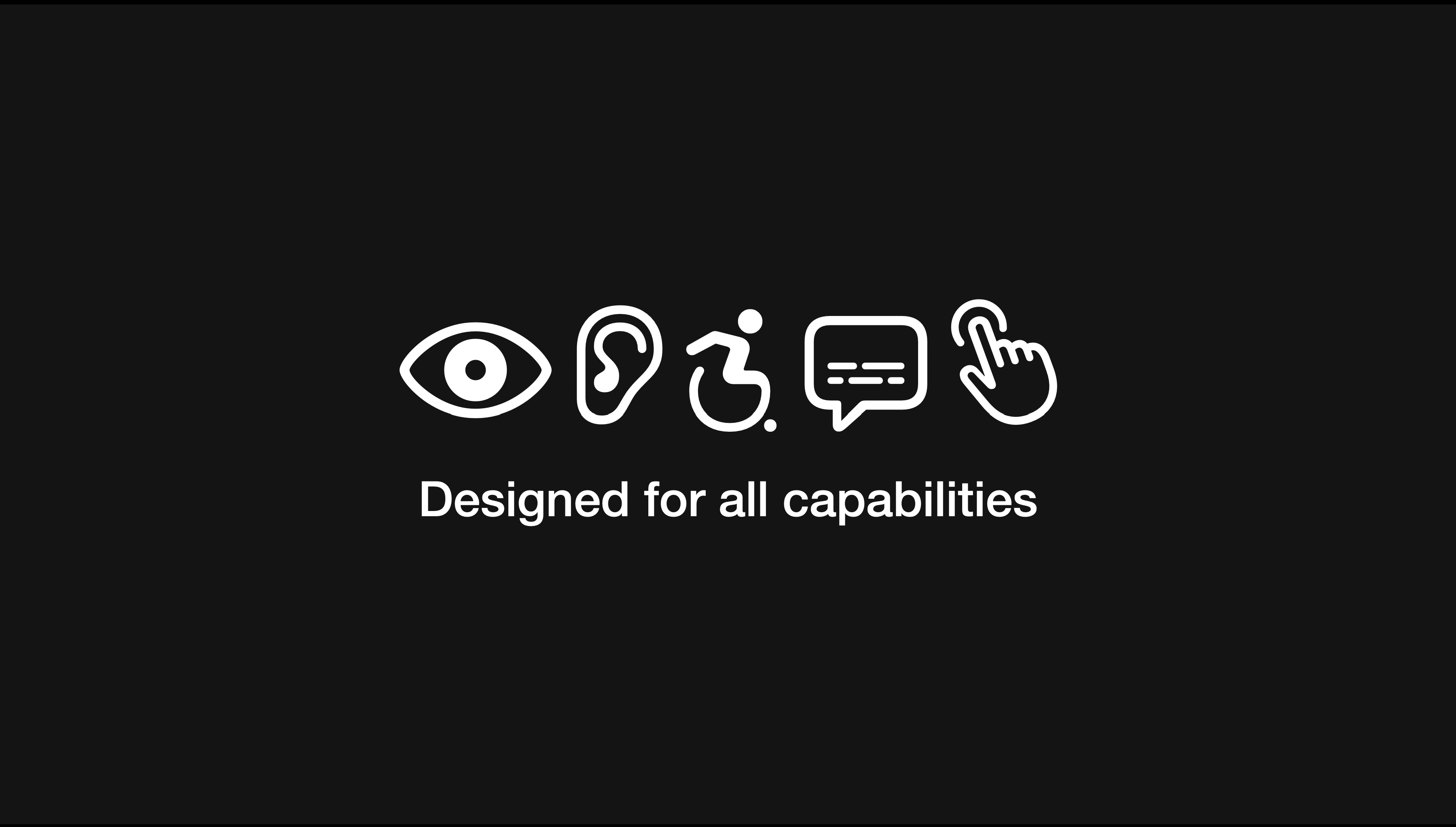
Designed for all capabilities, built for everyone who loves football
"Disability is not in the eyes, it is in not seeing others as equals." Silvio Velo
Takeaway & Reflection
Every single feature was fully functional at demo time. Building something that could make the World Cup accessible to people who are consistently left out of the conversation made every late night worth it. Honestly, the reason we did not win was that we built too many features, but we learned an enormous amount about ARKit, Core Haptics, MultipeerConnectivity, and Core NFC in the process.
I would love to keep developing Velo and see it become something real. The problem is too important to leave as a hackathon project.
Tech stack · Velo